Search the blog:
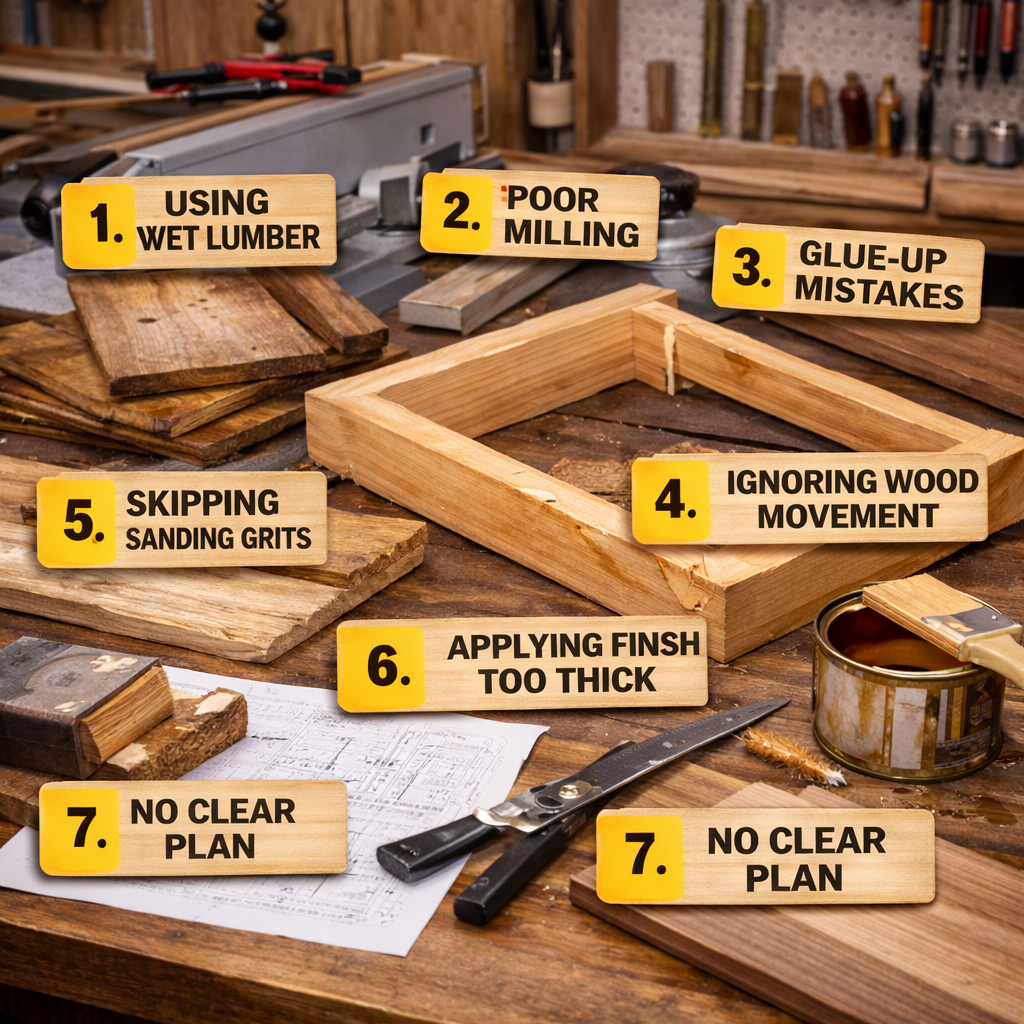
7 Beginner Woodworking Mistakes That Ruin Projects (And How to Fix Them)
Most beginner woodworking mistakes are preventable. From poor milling to rushed finishing, small oversights can quietly ruin an otherwise solid build. Here are the most common errors new woodworkers make and how to avoid them so your projects turn out cleaner, stronger, and more professional.
Embracing the Frontier: The Advantages of Living and Woodworking in Wyoming
Discover the unique advantages of living and woodworking in Wyoming, from stunning natural inspiration and low taxes to spacious workshops and a supportive community. At Wyoming Workshop, these benefits fuel our passion for creating timeless, heirloom-quality pieces.
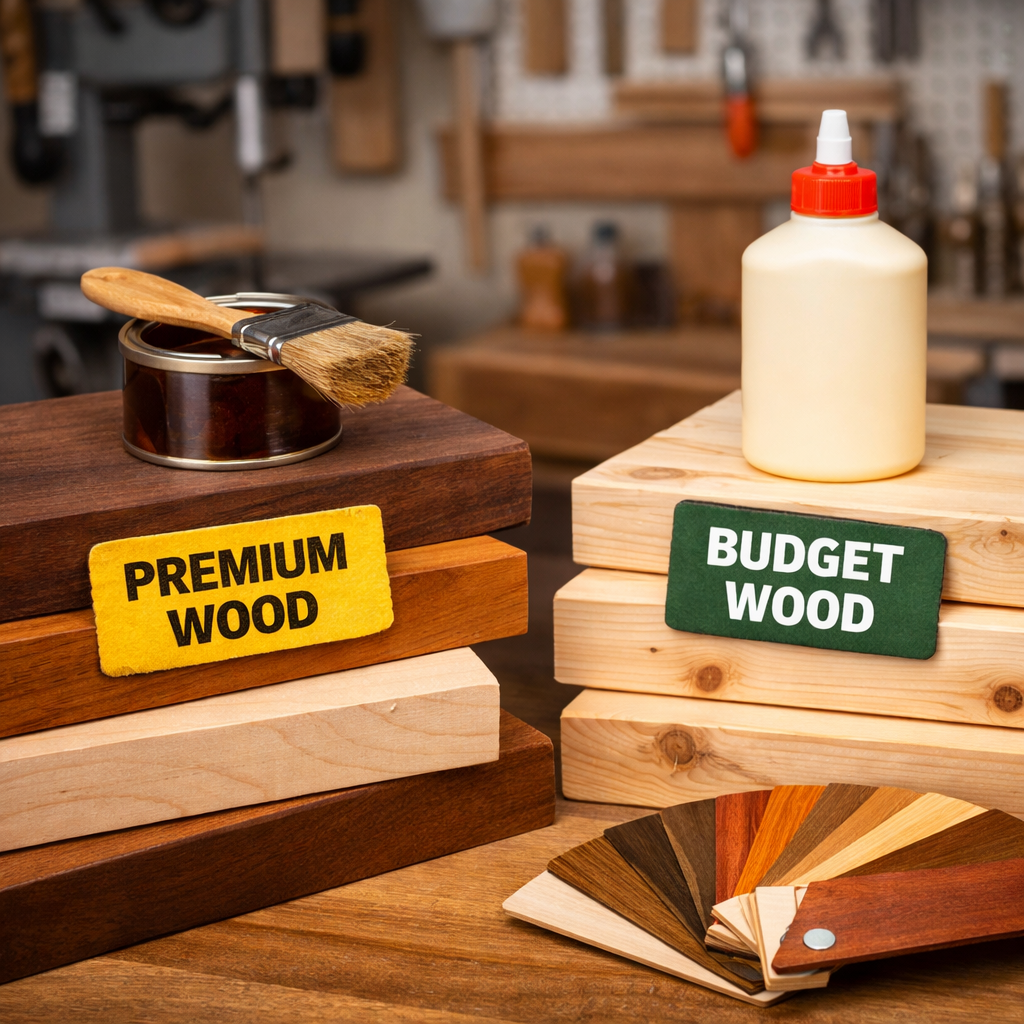
Stop Overthinking Wood Species: What Actually Matters to Your Customers
As woodworkers, we often put too much emphasis on using the perfect species for every project. Most people simply respond to how a finished piece looks and functions rather than what kind of wood was used. Knowing when wood choice truly matters and when a smart, affordable alternative makes more sense can save money, improve efficiency, and still deliver beautiful results.
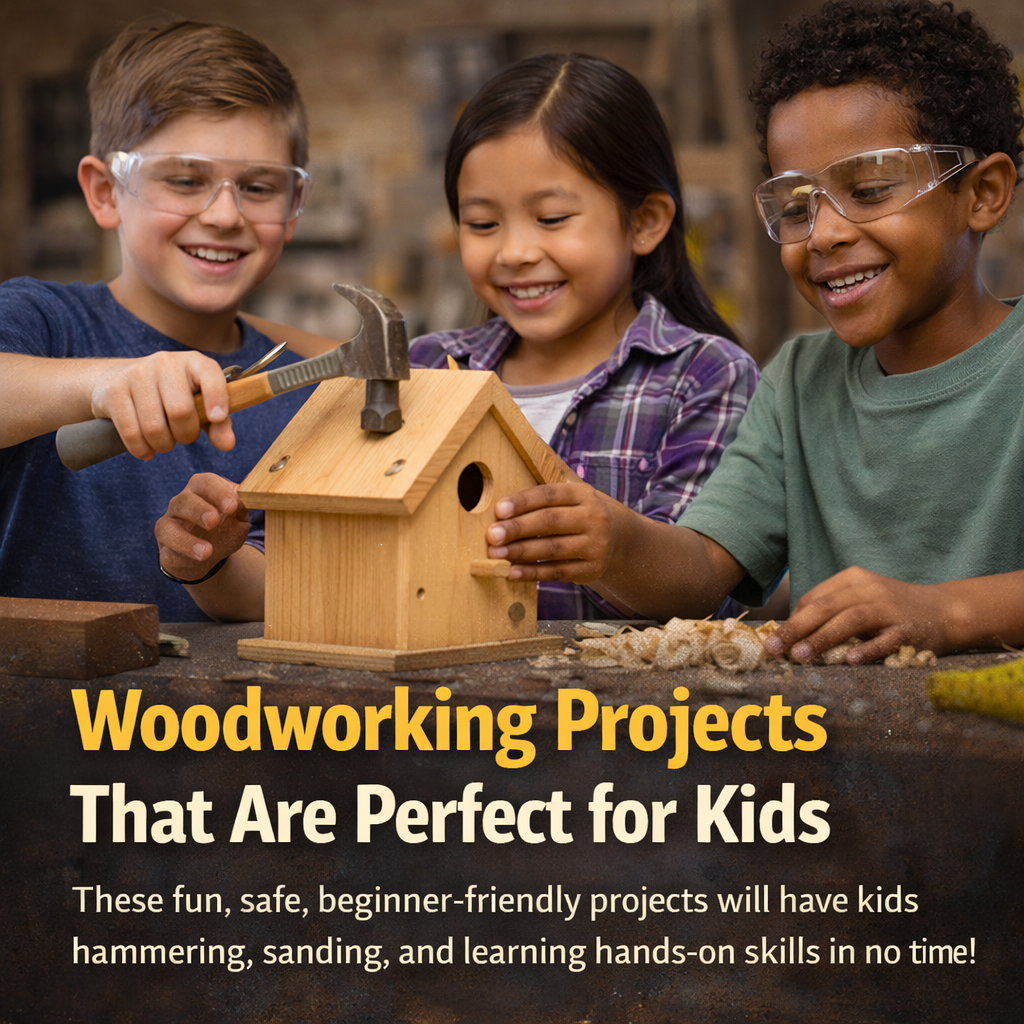
Woodworking Projects That Are Perfect for Kids
Woodworking is an excellent hands-on activity for kids, combining creativity with real skill development. These simple, safe, and engaging projects help young builders learn measurement, tool use, and problem-solving while making something they can proudly use or display.
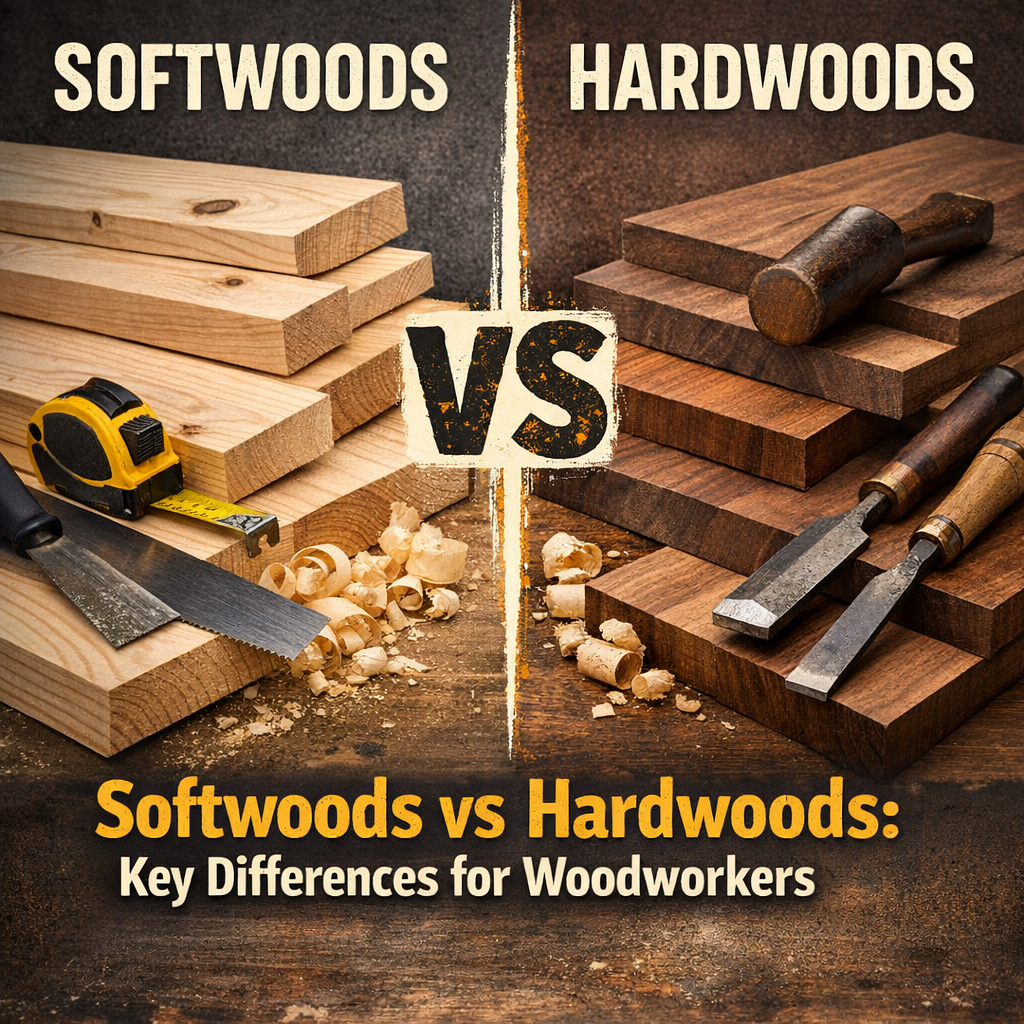
Softwoods vs. Hardwoods
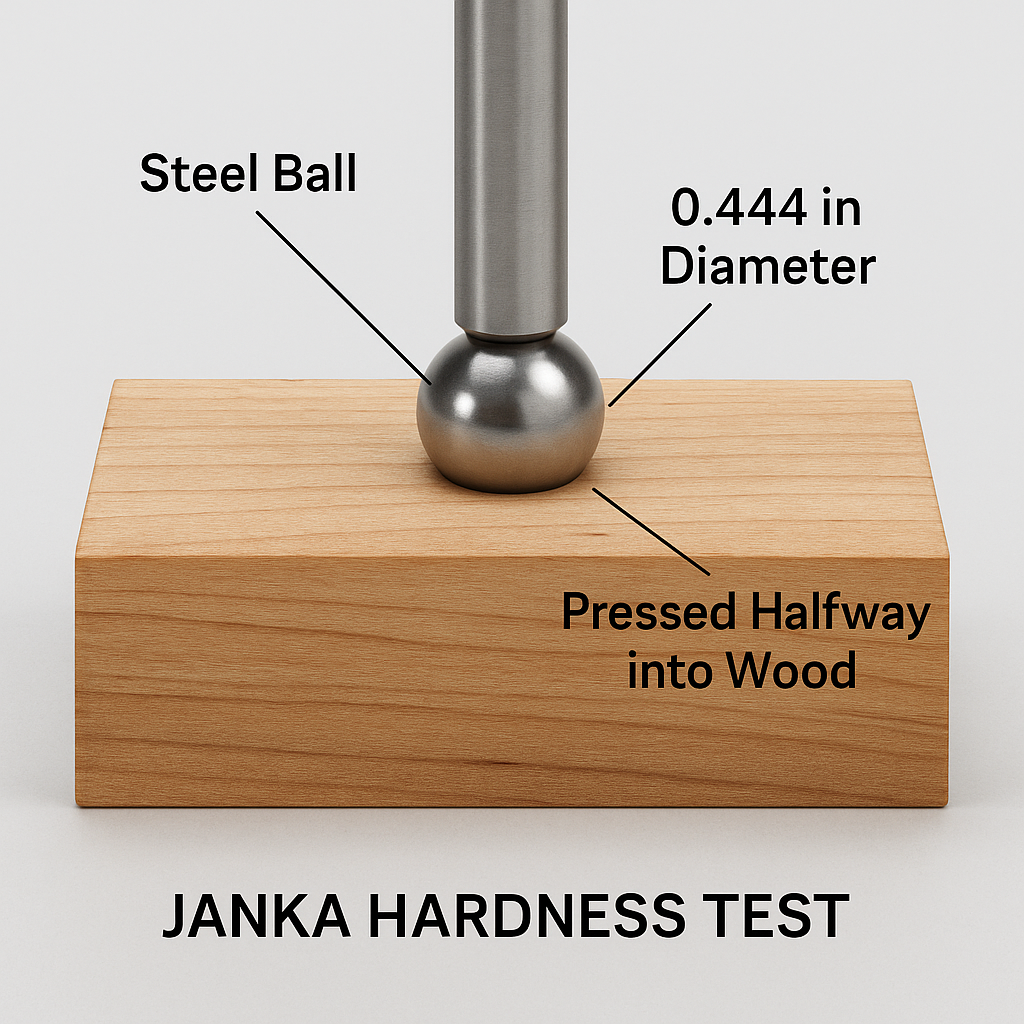
Softwoods and hardwoods differ in density, growth patterns, cost, and workability. Understanding those differences helps you choose the right species for furniture, cabinetry, outdoor projects, and decorative work.
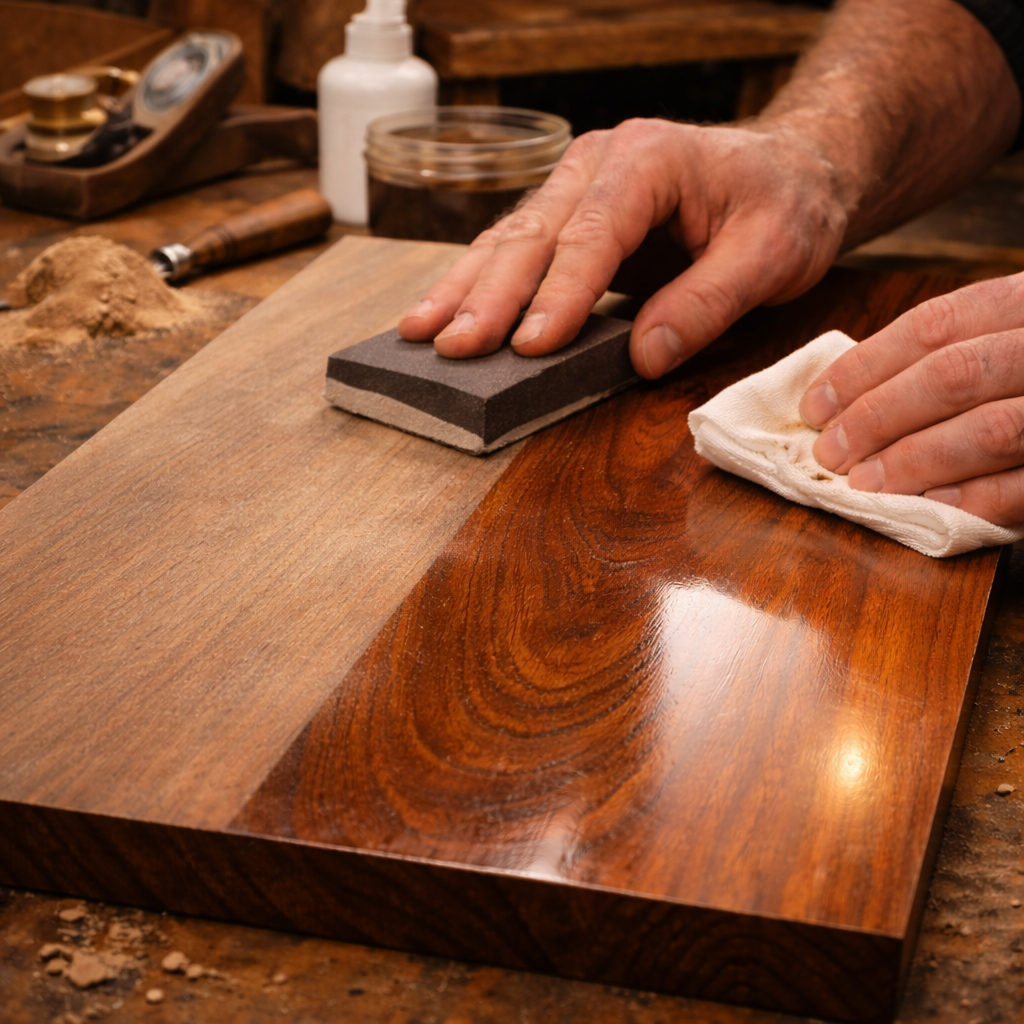
The Most Underrated Woodworking Skill: Surface Prep and Why It Matters
Most woodworking projects look rough until the final moments. The secret to professional results is surface prep, the overlooked skill that controls clarity, color, and finish quality more than any other step.
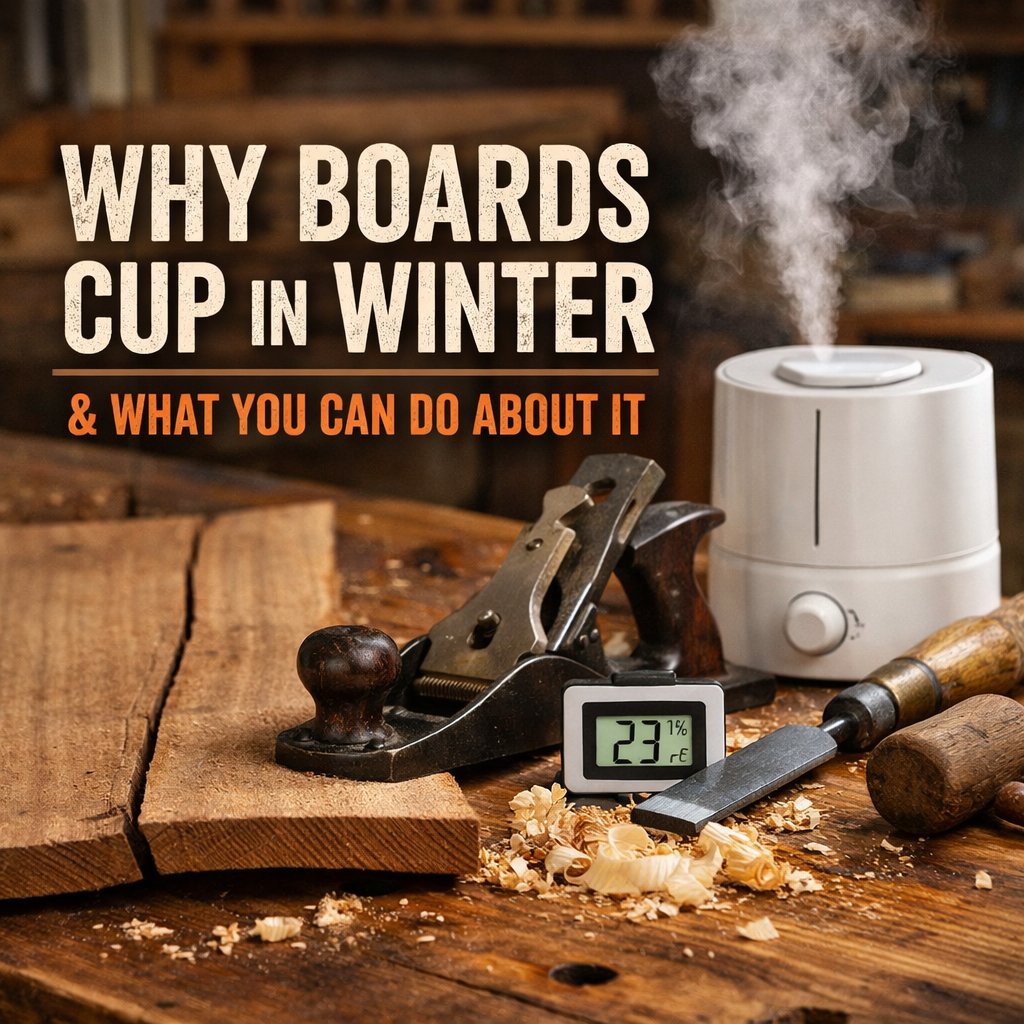
Why Boards Cup in Winter and What You Can Do About It
Cold winter air pulls moisture out of wood faster than most newcomers realize. Panels that sat flat in summer can suddenly cup, warp, or shrink once the humidity drops. Understanding why this happens and how to control it will save frustration and make your projects more predictable all year long.

Woodworking New Year’s Resolutions That Actually Make You a Better Woodworker
A new year is the perfect time to slow down, sharpen your tools, and focus on the habits that truly improve your woodworking. This post explores simple, realistic resolutions that help you build better work, enjoy the process more, and grow steadily at the bench.
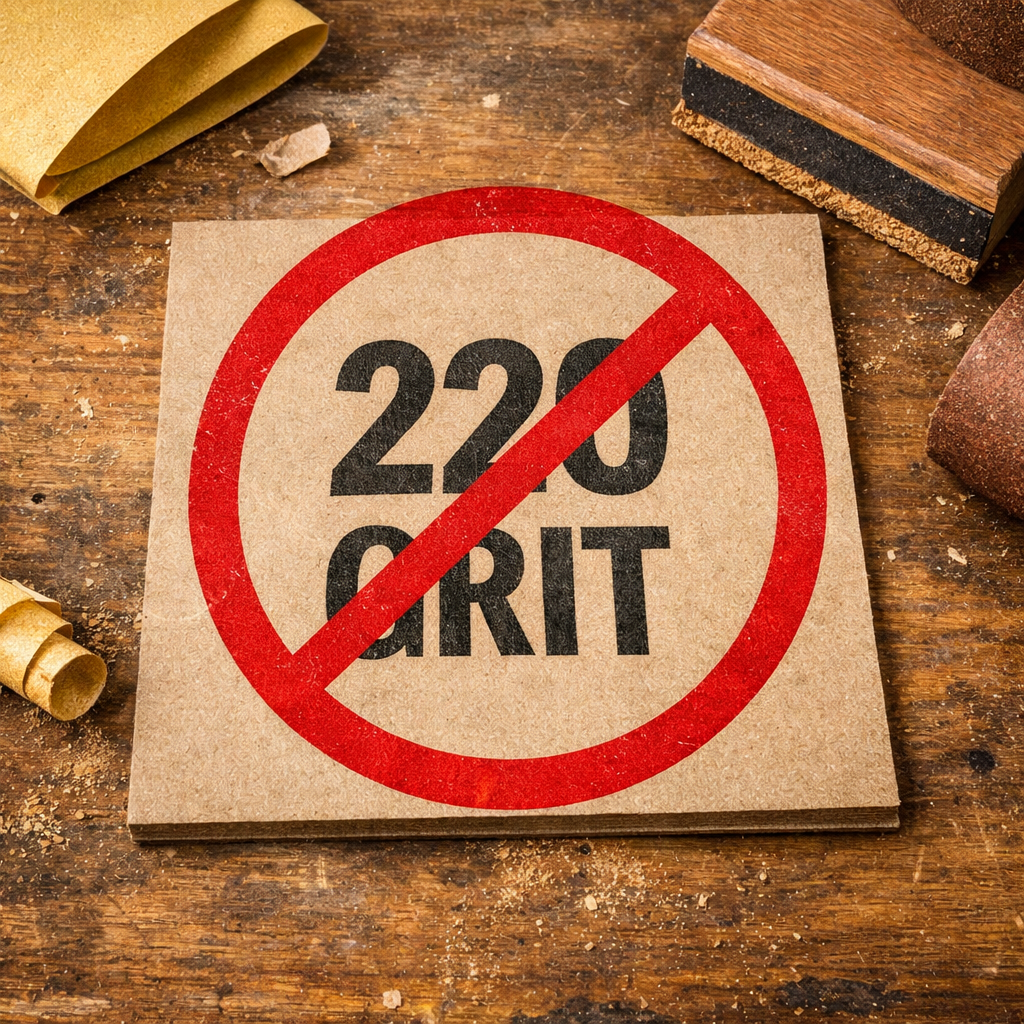
Stop Over Sanding Your Projects
Over sanding can quietly ruin good woodworking, especially when 220 grit is treated as a rule instead of a choice. This post explains why less sanding often leads to cleaner details, better surfaces, and work that keeps its character.
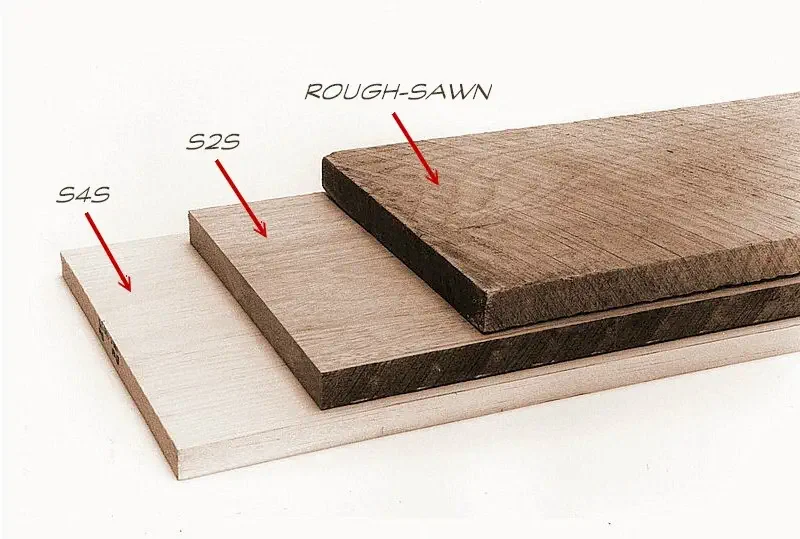
You Do Not Need Perfect Lumber to Build Good Furniture
You do not need perfect lumber to build good furniture. This post explains how understanding reference surfaces, joinery, and wood behavior allows you to turn imperfect boards into strong, well made pieces with character.
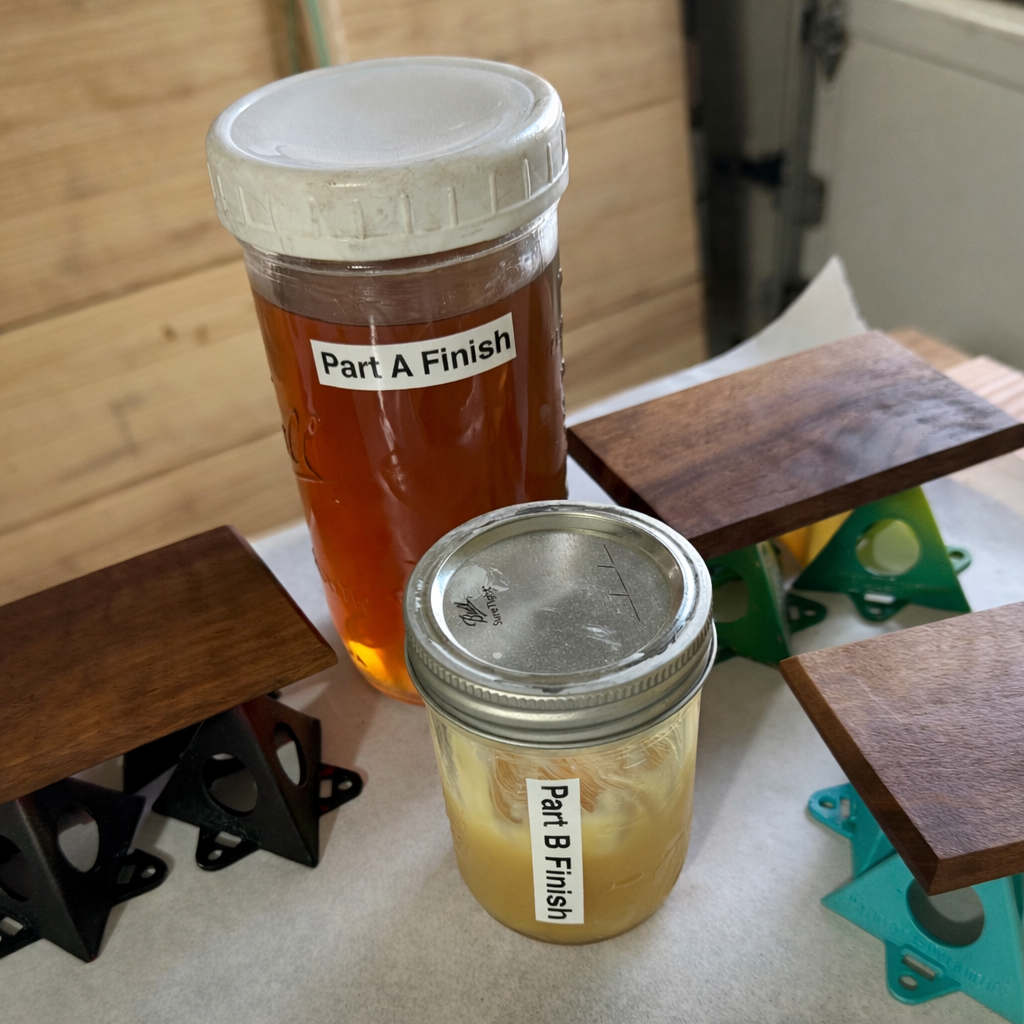
Why Your Finish Feels Sticky (Even After Days of Drying)
A sticky finish is one of the most common frustrations in woodworking, and it’s almost always caused by application or shop conditions rather than the finish itself. This post breaks down why it happens, how to fix it, and how a thin, controlled approach to finishing can make all the difference.
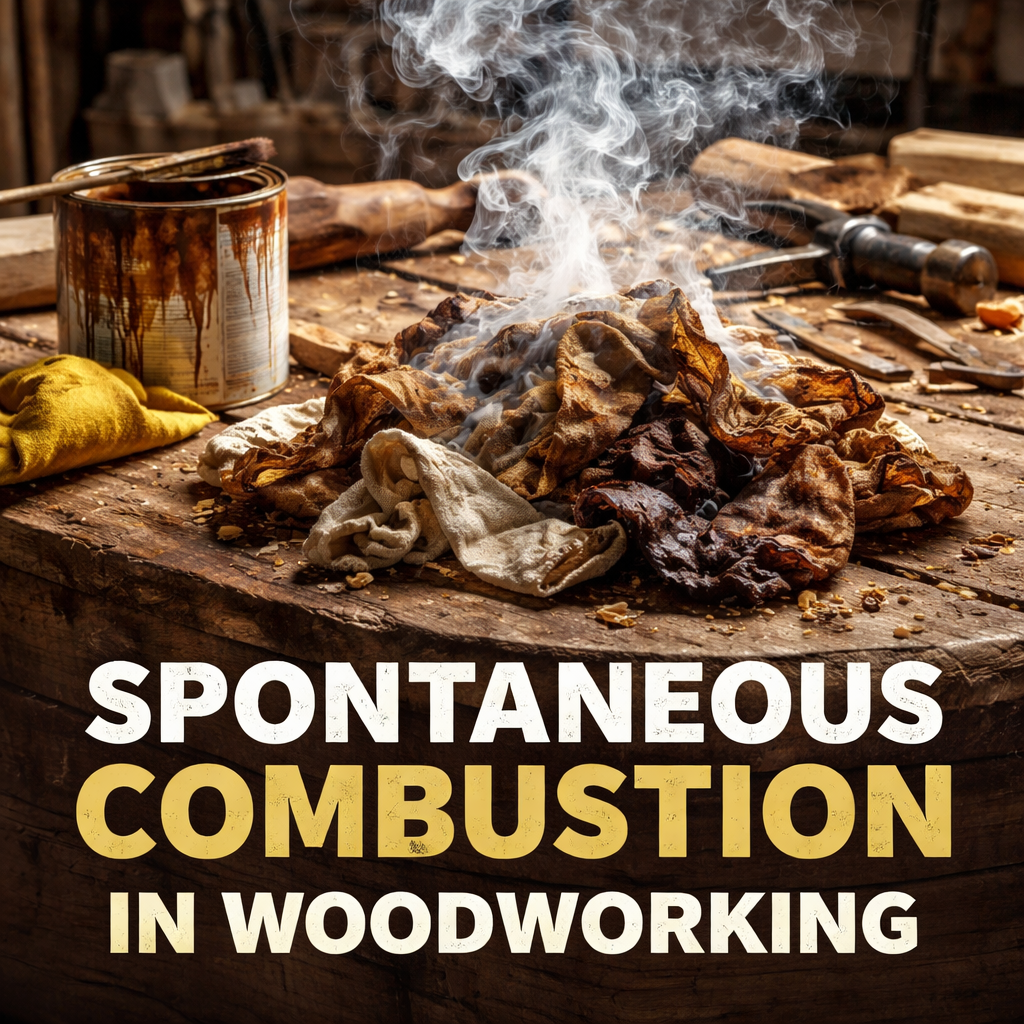
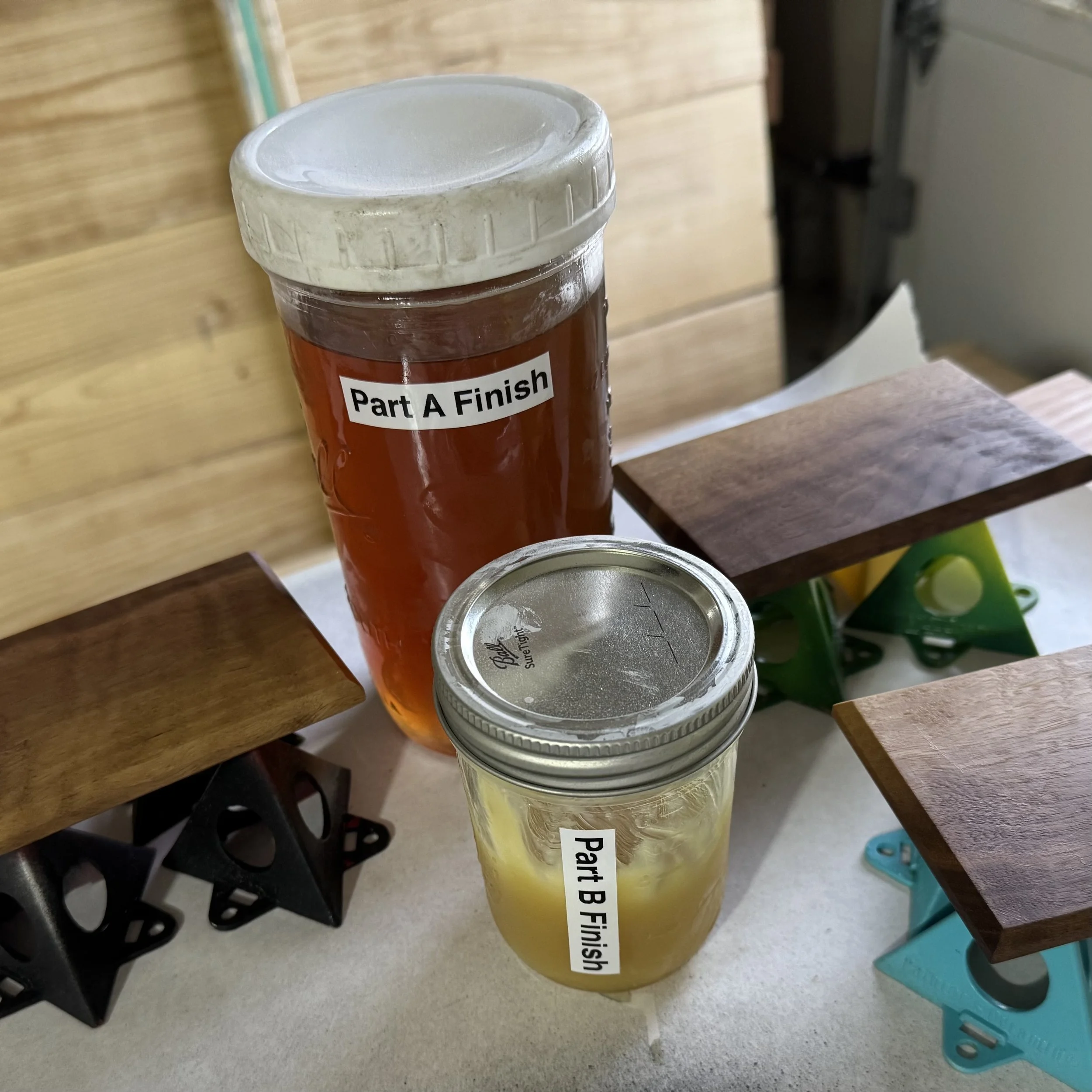
The Best Finishes for Everyday Projects
Choosing the right finish can make or break a woodworking project, and this post breaks down the durable, practical finishes I rely on most, from a simple homemade blend to outdoor, food safe, and specialty UV options.
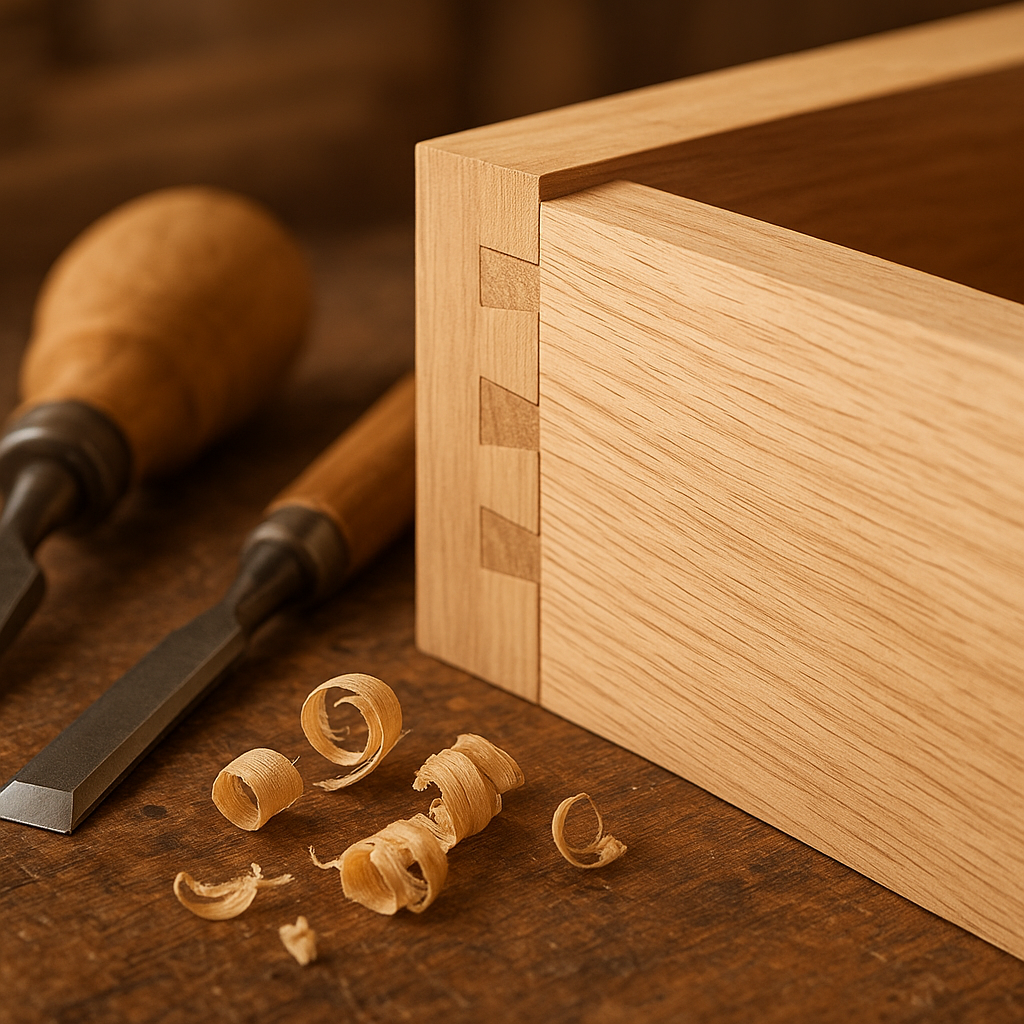
Why Traditional Joinery Still Beats Screws & Nails
Traditional joinery combines strength, beauty, and craftsmanship in ways that screws and nails simply can’t match.
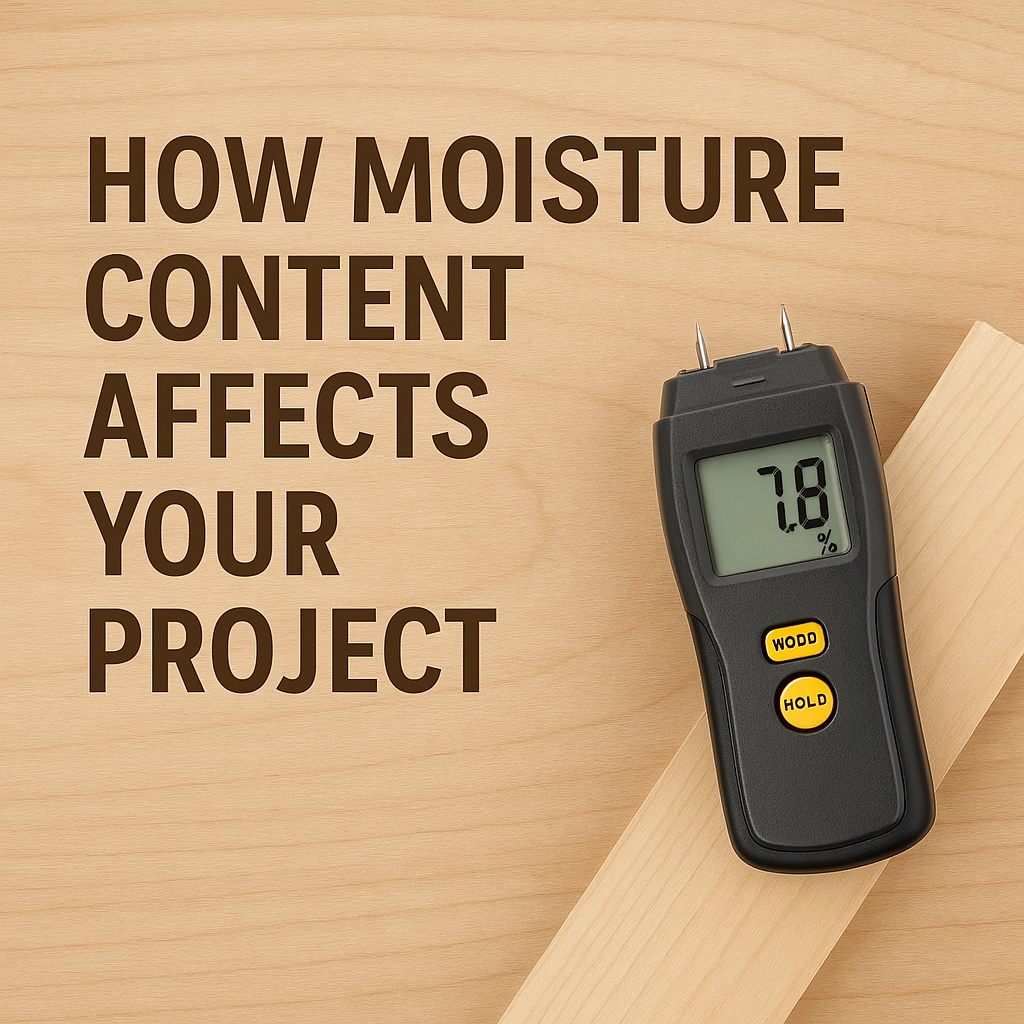
How Moisture Content Affects Your Project
If wood has a personality trait, it is that it never stops moving.
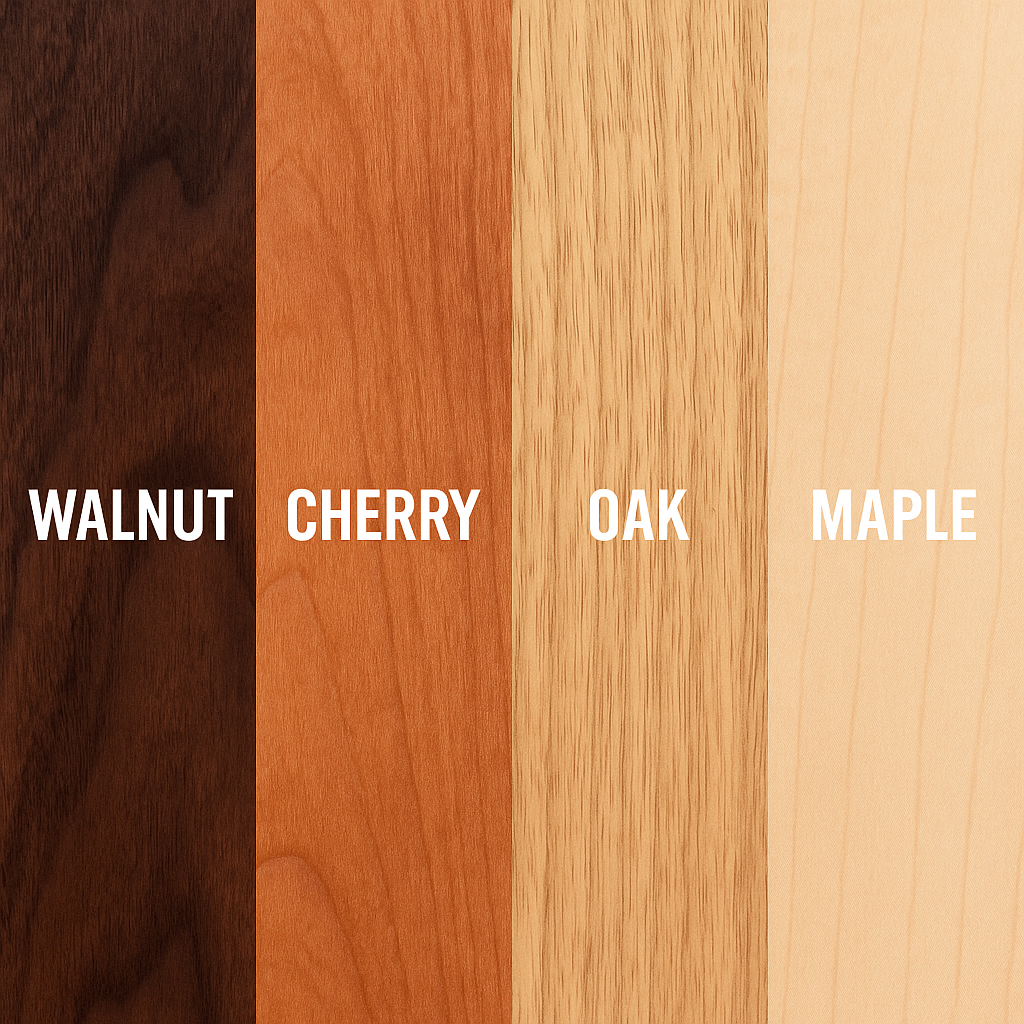
A Guide to Domestic Hardwoods: Walnut, Cherry, Oak & Maple
Understanding the characteristics, strengths, and best uses of America’s most beloved woods.